

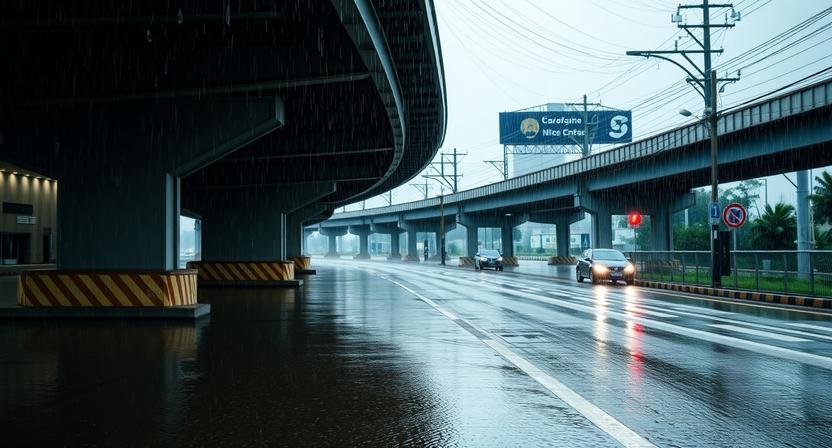
Heavy rainfall has always tested the resilience of industrial infrastructure, but this season has proven especially punishing for BBN Industries. Prolonged downpours, unpredictable weather patterns, and overwhelmed drainage systems have combined to expose structural weaknesses across multiple facilities.
The situation is not merely an operational inconvenience; it has become a serious business challenge with financial, logistical, and reputational implications.This issue matters because infrastructure is the backbone of any industrial enterprise.
When roads, plants, storage units, and utilities fail under environmental stress, productivity slows, safety risks increase, and costs escalate rapidly. For BBN Industries, a company heavily dependent on seamless operations, rain-battered infrastructure has emerged as a defining challenge of the season, raising broader questions about preparedness, climate resilience, and long-term strategy.
Read Also: BBN Land Pooling Policy 2025: What It Means for Residents and Investors
Understanding the Scale of the Impact on BBN Industries
BBN Industries operates across regions where seasonal rainfall is common, but the intensity and duration of recent weather events have gone far beyond historical norms. Facilities designed for moderate monsoon conditions are now facing repeated flooding, soil erosion, and water ingress that disrupt daily operations. These challenges are not isolated incidents; they are recurring problems that compound over time.
From manufacturing plants to logistics hubs, the effects of excessive rain have been widespread. Access roads have deteriorated, internal drainage systems have overflowed, and critical machinery has been exposed to moisture. Each of these issues carries direct costs, but their combined effect is far more damaging, threatening the reliability of the entire supply chain.
Prolonged Rainfall and Infrastructure Stress
Unlike short bursts of heavy rain, prolonged rainfall creates sustained pressure on infrastructure. Foundations remain saturated, increasing the risk of cracks and subsidence. Concrete surfaces weaken, and metal components become more vulnerable to corrosion. For BBN Industries, this has translated into higher maintenance demands and unexpected downtime.
The stress is particularly evident in older facilities that were built to standards no longer adequate for current climate realities. While they may have performed well for decades, the cumulative impact of extended wet conditions has revealed design limitations that are now difficult to ignore.
Operational Disruptions Across Key Facilities
Operational continuity has been one of the biggest casualties of rain-related infrastructure damage. Flooded loading bays have delayed shipments, while waterlogged electrical systems have forced temporary shutdowns. Even short interruptions can ripple through production schedules, affecting clients and partners downstream.
For a large industrial player like BBN Industries, these disruptions carry reputational risks. Customers expect consistency, and repeated delays caused by weather-related infrastructure failures can erode trust, even when the underlying cause is environmental.
Financial Consequences of Rain-Damaged Infrastructure
The financial toll of rain-battered infrastructure is multifaceted. There are immediate repair costs, but there are also less visible expenses that accumulate quietly over time. For BBN Industries, the season has underscored how environmental stress can strain budgets in unexpected ways.
Emergency repairs often cost more than planned maintenance, especially when specialized equipment or rapid response teams are required. In addition, downtime reduces output, which directly affects revenue. These financial pressures arrive at a time when many industrial firms are already navigating tight margins and volatile markets.
Rising Maintenance and Repair Costs
One of the most immediate impacts has been the sharp rise in maintenance expenditure. Drainage systems need frequent clearing, roofs require repeated inspections, and water-damaged surfaces must be reinforced or replaced. These tasks were not all part of the original maintenance schedule, forcing budget reallocations.
Over time, repeated repairs can become a cycle that drains resources without addressing root causes. For BBN Industries, this has sparked internal discussions about whether short-term fixes are sustainable or if more comprehensive infrastructure upgrades are necessary.
Insurance Claims and Coverage Challenges
Insurance is often viewed as a safety net for weather-related damage, but the reality can be more complex. Frequent claims may lead to higher premiums or stricter coverage terms. In some cases, insurers may question whether certain damages are preventable through better design or maintenance.
BBN Industries has had to navigate these challenges while ensuring that claims are processed efficiently. Delays or disputes can further strain cash flow, adding another layer of difficulty during an already challenging season.
Safety and Workforce Implications
Beyond financial and operational concerns, rain-damaged infrastructure poses serious safety risks. Slippery surfaces, weakened structures, and compromised electrical systems can endanger employees. For any responsible industrial organization, worker safety must remain a top priority, regardless of external pressures.
BBN Industries has implemented temporary safety measures, but the persistence of adverse weather makes risk management an ongoing effort rather than a one-time response. This situation highlights the human dimension of infrastructure resilience, which is often overshadowed by technical and financial considerations.
Increased Workplace Hazards
Flooded floors and poorly drained areas increase the risk of slips and falls. Water intrusion near electrical installations raises the danger of short circuits or shocks. Even heavy humidity can affect air quality, contributing to discomfort and health issues for workers.
Addressing these hazards requires constant vigilance. Safety teams must conduct frequent inspections, and employees need clear protocols for reporting issues. While these measures help, they also add to operational complexity during periods of sustained rainfall.
Morale and Productivity Challenges
Working in environments affected by constant infrastructure problems can take a toll on morale. Employees may feel frustrated by repeated disruptions or concerned about their safety. Over time, this can affect productivity and engagement, indirectly impacting business performance.
BBN Industries has recognized the importance of communication during this period. Transparent updates about repair efforts and safety measures can help reassure staff, even when conditions remain challenging.
Supply Chain and Logistics Under Pressure
Infrastructure damage does not stop at facility walls. Roads, bridges, and transport hubs are equally vulnerable to heavy rain, and their condition directly affects logistics. For BBN Industries, moving raw materials in and finished goods out has become more complex this season.
Delays in transportation can disrupt production schedules and inventory management. When combined with internal infrastructure issues, these external challenges create a perfect storm that tests supply chain resilience.
Damaged Access Routes and Transportation Delays
Rain-battered roads leading to industrial zones have slowed truck movements and increased vehicle wear and tear. In some cases, alternate routes are longer and less efficient, adding time and fuel costs to each trip.
These delays are particularly problematic for time-sensitive deliveries. Missed deadlines can lead to contractual penalties or strained client relationships, amplifying the impact of infrastructure damage beyond immediate repair costs.
Inventory Management Complications
Unpredictable logistics make inventory planning more difficult. BBN Industries has had to adjust stock levels to buffer against delays, tying up capital in stored goods. While this strategy reduces the risk of production stoppages, it also affects cash flow and storage capacity.
Balancing these trade-offs requires careful analysis and constant adjustment, especially when weather conditions remain uncertain.
Broader Industry Trends and Climate Realities
The challenges faced by BBN Industries are not unique. Across the industrial sector, companies are grappling with the reality that extreme weather events are becoming more frequent and severe. Rain-related infrastructure damage is increasingly seen as a systemic risk rather than an occasional inconvenience.
This shift has prompted industry-wide discussions about climate resilience, adaptive design, and long-term investment. What was once considered exceptional weather is now part of a new normal that demands strategic responses.
Climate Change and Intensifying Rainfall Patterns
Meteorological data shows a clear trend toward more intense rainfall events in many regions. These changes place additional stress on infrastructure designed for past climate conditions. For industrial firms, the gap between design assumptions and current realities is widening.
BBN Industries’ experience this season reflects this broader pattern. The company’s challenges serve as a case study in how climate factors are reshaping operational risks across the industrial landscape.
Regulatory and Stakeholder Expectations
As weather-related disruptions become more common, regulators and stakeholders are paying closer attention to how companies manage environmental risks. Infrastructure resilience is increasingly linked to corporate responsibility and long-term viability.
Investors, in particular, are scrutinizing how firms like BBN Industries plan to adapt. Transparent strategies and proactive investment can help maintain confidence, even in the face of ongoing challenges.
Strategies for Mitigating Rain-Related Infrastructure Damage
While the current season has been difficult, it has also provided valuable lessons. For BBN Industries, the experience has highlighted the importance of proactive planning and strategic investment in infrastructure resilience.
Mitigation strategies range from immediate improvements to long-term transformation. The key is to move beyond reactive repairs and toward solutions that address underlying vulnerabilities.
Upgrading Drainage and Water Management Systems
Effective drainage is one of the most critical defenses against heavy rainfall. Upgrading systems to handle higher volumes of water can significantly reduce flooding and water accumulation around facilities.
For BBN Industries, this may involve redesigning drainage layouts, increasing capacity, and incorporating smart monitoring tools that provide early warnings when systems are under strain.
Investing in Resilient Materials and Design
Modern construction materials and design principles offer greater resistance to moisture and corrosion. Retrofitting older facilities with these improvements can extend their lifespan and reduce maintenance needs.
Although such investments require upfront capital, they often pay off over time through lower repair costs and fewer disruptions. This long-term perspective is increasingly essential in a changing climate.
Strengthening Emergency Response and Planning
No infrastructure can be entirely immune to extreme weather, making emergency preparedness essential. Clear response plans, trained teams, and readily available resources can limit damage when problems arise.
BBN Industries has begun refining its contingency planning, recognizing that speed and coordination are critical during weather-related incidents.
The Road Ahead for BBN Industries
The current season has been a stress test for BBN Industries, revealing both vulnerabilities and strengths. While rain-battered infrastructure has created significant challenges, it has also prompted a reassessment of priorities and strategies.
Moving forward, the company faces a choice between incremental adjustments and more transformative change. The decisions made now will shape its resilience and competitiveness in the years to come.
Balancing Short-Term Recovery and Long-Term Resilience
Immediate repairs are necessary to restore normal operations, but they should align with a broader vision for resilience. Short-term fixes that ignore future risks may only postpone larger problems.
For BBN Industries, integrating resilience into every stage of infrastructure planning can help ensure that recovery efforts also serve long-term goals.
Turning Challenge Into Opportunity
While rain-related disruptions are undeniably difficult, they can also serve as catalysts for innovation. By investing in smarter infrastructure and adaptive strategies, BBN Industries can emerge stronger and better prepared for future seasons.
This approach not only protects operations but also positions the company as a forward-thinking leader in an industry increasingly shaped by environmental realities.
Conclusion
Rain-battered infrastructure has hit BBN Industries hard this season, exposing the profound impact that prolonged and intense rainfall can have on industrial operations. From financial strain and safety risks to supply chain disruptions, the challenges have been wide-ranging and deeply interconnected.Yet within these difficulties lies an opportunity to rethink how infrastructure is designed, maintained, and managed.