

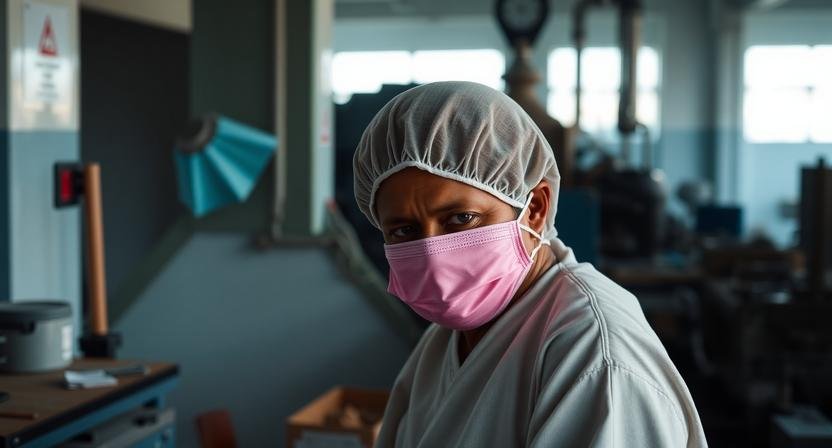
On February 2, 2024, a catastrophic fire erupted at a cosmetic manufacturing factory in Baddi, an industrial town in Himachal Pradesh’s Solan district, drawing national attention for its scale, human toll, and subsequent debate over industrial safety compliance.
The blaze not only underscored systemic gaps in workplace safety practices but also triggered large‑scale rescue operations and policy scrutiny. This article provides a detailed, well‑structured account of the incident, covering the rescue efforts, official responses, human impact, and long‑term implications for safety regulation and community resilience.
Read Also: Baddi Area Floods and Drainage Issues Worsen During Heavy Rains
What Happened: The Fire Breaks Out
The fire ignited in the NR Aroma cosmetic factory located in the Jharmajri industrial area, where raw materials and finished products for perfumes and cosmetics were stored and processed. The blaze was reported around mid‑afternoon and spread rapidly due to the presence of highly flammable chemicals used in manufacturing, including solvents and aromatic compounds. Thick smoke and intense heat engulfed multiple floors of the building, creating a chaotic and life‑threatening situation for workers on site.
Eyewitnesses described workers attempting to escape by jumping from first and second floors as flames and smoke obstructed exits, compounding injuries. Local authorities estimated that more than 50 individuals were inside the facility at the time the fire started.
Immediate Rescue Operations
First Response and Fire Battles
As soon as the fire was reported, fire departments from Baddi, Nalagarh, Parwanoo, and nearby jurisdictions were mobilised. Fire tenders and emergency personnel worked under hazardous conditions to douse the blaze, hindered by the inflammable nature of raw materials inside the factory. Thick plumes of smoke further hampered visibility and tactical access.
The National Disaster Response Force (NDRF), State Disaster Response Force (SDRF), medical responders, local police, and administrative teams joined the effort, creating a multi‑agency operational front. Rescue teams battled to bring the fire under control over several hours, drawing on specialised equipment and support from neighbouring command units such as the Western Command at Chandimandir.
Human Toll and Medical Response
Initial reports confirmed that at least one woman was brought dead to a major trauma care facility following the blaze, and dozens of workers sustained injuries ranging from burns to trauma from falls. Many of the seriously injured were transferred to the Post Graduate Institute of Medical Education and Research (PGIMER) in Chandigarh, where they received treatment for head and spine injuries in addition to burns.
Hospitals in Baddi and surrounding areas also treated numerous patients, stabilising many who had jumped or been evacuated during the crisis. Emergency medical teams remained on high alert during the first 48 hours as further injuries were processed.
Search and Investigation: Aftermath Developments
Recovery Operations
In the aftermath, efforts shifted from active firefighting to search and recovery, particularly for those still unaccounted for. Debris removal and structural assessments were essential to ensure the safety of search teams. Over the course of several days, additional bodies were discovered within the collapsed or damaged sections of the factory, bringing the confirmed death toll to at least seven by mid‑February of that year. Authorities continued searching for others who may have remained trapped inside the structure.
DNA sampling operations were initiated for families of missing individuals, reflecting the complexity of identifying victims due to the extent of injuries and structural collapse. Forensic teams from the Central Forensic Science Laboratory (CFSL) in Chandigarh were involved in the process.
Cause of the Fire
Early investigations focused on the nature of operations inside the factory and potential triggers for the fire. Preliminary findings suggested that a labourer may have inadvertently caused an ignition event while heating a chemical drum using traditional fire logs, leading to an explosion and rapid flame spread among volatile substances stored on site. Safety audits and forensic sampling supported this hypothesis, though investigations continued to establish definitive cause and responsibility.
Accountability and Legal Action
Authorities responded to the incident with legal and administrative action. FIRs were registered against company officials and management for alleged safety violations and negligence. Arrests were made in connection with the case, and investigations looked into whether operational standards and statutory safety obligations were met.
The scale of the tragedy prompted a broader inquiry into compliance with fire safety regulations, labour laws, and industrial licensing norms that govern the handling of hazardous materials in factory environments.
Government and Institutional Responses
Compensation and Support
In the weeks following the fire, state officials announced financial relief packages for families of the deceased and injured workers. Compensation measures aimed to provide immediate support for medical costs, funeral expenses, and short‑term economic relief. The government pledged ongoing assistance to affected families as part of crisis recovery protocols.
Regulatory Reforms
The incident catalysed discussion on industrial safety oversight. Senior policymakers mandated improvements in fire safety protocols, requiring factories to maintain up‑to‑date inventories of hazardous chemicals and to share structural and emergency response plans with fire departments. Regular fire audits and rigorous enforcement actions were introduced to mitigate risks of future incidents.
State industry ministers emphasised the need for stringent adherence to safety compliance, including installation of proper fire suppression systems, regular mock drills, and documentation of emergency evacuation measures. These reforms aim to restore confidence among workers and stakeholders in the industrial ecosystem.
Broader Implications for Industrial Safety
Worker Safety Culture
The Baddi fire illuminated critical gaps in industrial safety culture that extend beyond a single incident. Employers across sectors were reminded of their legal and ethical obligations to safeguard workers — particularly in sectors handling volatile chemical compounds. The tragedy stimulated broader conversations on workplace risk assessments, emergency preparedness, and employee training that could prevent or diminish future hazards.
Community and Economic Impact
Beyond the human toll, the fire affected the Baddi industrial region’s reputation as a major manufacturing hub. Clients, suppliers, and business partners reevaluated safety standards and risk profiles for operations in the area, emphasizing proactive compliance and contingency investments. The incident sparked community advocacy for improved infrastructure, fire services, and industrial regulation enforcement.
Lessons Learned and Looking Ahead
The Baddi cosmetic factory fire serves as a somber reminder of how rapidly industrial hazards can escalate when safeguards are lacking. Key lessons include:
- Rigorous adherence to safety standards is non‑negotiable in facilities storing or processing flammable substances.
- Emergency response readiness, including well‑coordinated rescue protocols and accessible fire safety systems, significantly influences survival outcomes.
- Regulatory enforcement and transparency help prevent lapses that compromise worker safety and community well‑being.
As investigations continue and reforms unfold, stakeholders are focused on embedding resilience into industrial operations — from compliance frameworks to technology‑driven fire detection and suppression systems.
Conclusion
The cosmetic factory fire in Baddi was a tragedy that reverberated across the industrial landscape of Himachal Pradesh and beyond. The rescue operations demonstrated the critical value of coordinated emergency response, while the aftermath highlighted systemic gaps in industrial safety protocols that require urgent addressOn February 2, 2024, a catastrophic fire erupted at a cosmetic manufacturing factory in Baddi, an industrial town in Himachal Pradesh’s Solan district, drawing national attention for its scale, human toll, and subsequent debate over industrial safety compliance. The blaze not only underscored systemic gaps in workplace safety practices but also triggered large‑scale rescue operations and policy scrutiny. This article provides a detailed, well‑structured account of the incident, covering the rescue efforts, official responses, human impact, and long‑term implications for safety regulation and community resilience.
What Happened: The Fire Breaks Out
The fire ignited in the NR Aroma cosmetic factory located in the Jharmajri industrial area, where raw materials and finished products for perfumes and cosmetics were stored and processed. The blaze was reported around mid‑afternoon and spread rapidly due to the presence of highly flammable chemicals used in manufacturing, including solvents and aromatic compounds. Thick smoke and intense heat engulfed multiple floors of the building, creating a chaotic and life‑threatening situation for workers on site.
Eyewitnesses described workers attempting to escape by jumping from first and second floors as flames and smoke obstructed exits, compounding injuries. Local authorities estimated that more than 50 individuals were inside the facility at the time the fire started.
Immediate Rescue Operations
First Response and Fire Battles
As soon as the fire was reported, fire departments from Baddi, Nalagarh, Parwanoo, and nearby jurisdictions were mobilised. Fire tenders and emergency personnel worked under hazardous conditions to douse the blaze, hindered by the inflammable nature of raw materials inside the factory. Thick plumes of smoke further hampered visibility and tactical access.
The National Disaster Response Force (NDRF), State Disaster Response Force (SDRF), medical responders, local police, and administrative teams joined the effort, creating a multi‑agency operational front. Rescue teams battled to bring the fire under control over several hours, drawing on specialised equipment and support from neighbouring command units such as the Western Command at Chandimandir.
Human Toll and Medical Response
Initial reports confirmed that at least one woman was brought dead to a major trauma care facility following the blaze, and dozens of workers sustained injuries ranging from burns to trauma from falls. Many of the seriously injured were transferred to the Post Graduate Institute of Medical Education and Research (PGIMER) in Chandigarh, where they received treatment for head and spine injuries in addition to burns.
Hospitals in Baddi and surrounding areas also treated numerous patients, stabilising many who had jumped or been evacuated during the crisis. Emergency medical teams remained on high alert during the first 48 hours as further injuries were processed.
Search and Investigation: Aftermath Developments
Recovery Operations
In the aftermath, efforts shifted from active firefighting to search and recovery, particularly for those still unaccounted for. Debris removal and structural assessments were essential to ensure the safety of search teams. Over the course of several days, additional bodies were discovered within the collapsed or damaged sections of the factory, bringing the confirmed death toll to at least seven by mid‑February of that year. Authorities continued searching for others who may have remained trapped inside the structure.
DNA sampling operations were initiated for families of missing individuals, reflecting the complexity of identifying victims due to the extent of injuries and structural collapse. Forensic teams from the Central Forensic Science Laboratory (CFSL) in Chandigarh were involved in the process.
Cause of the Fire
Early investigations focused on the nature of operations inside the factory and potential triggers for the fire. Preliminary findings suggested that a labourer may have inadvertently caused an ignition event while heating a chemical drum using traditional fire logs, leading to an explosion and rapid flame spread among volatile substances stored on site. Safety audits and forensic sampling supported this hypothesis, though investigations continued to establish definitive cause and responsibility.
Accountability and Legal Action
Authorities responded to the incident with legal and administrative action. FIRs were registered against company officials and management for alleged safety violations and negligence. Arrests were made in connection with the case, and investigations looked into whether operational standards and statutory safety obligations were met.
The scale of the tragedy prompted a broader inquiry into compliance with fire safety regulations, labour laws, and industrial licensing norms that govern the handling of hazardous materials in factory environments.
Government and Institutional Responses
Compensation and Support
In the weeks following the fire, state officials announced financial relief packages for families of the deceased and injured workers. Compensation measures aimed to provide immediate support for medical costs, funeral expenses, and short‑term economic relief. The government pledged ongoing assistance to affected families as part of crisis recovery protocols.
Regulatory Reforms
The incident catalysed discussion on industrial safety oversight. Senior policymakers mandated improvements in fire safety protocols, requiring factories to maintain up‑to‑date inventories of hazardous chemicals and to share structural and emergency response plans with fire departments. Regular fire audits and rigorous enforcement actions were introduced to mitigate risks of future incidents.
State industry ministers emphasised the need for stringent adherence to safety compliance, including installation of proper fire suppression systems, regular mock drills, and documentation of emergency evacuation measures. These reforms aim to restore confidence among workers and stakeholders in the industrial ecosystem.
Broader Implications for Industrial Safety
Worker Safety Culture
The Baddi fire illuminated critical gaps in industrial safety culture that extend beyond a single incident. Employers across sectors were reminded of their legal and ethical obligations to safeguard workers — particularly in sectors handling volatile chemical compounds. The tragedy stimulated broader conversations on workplace risk assessments, emergency preparedness, and employee training that could prevent or diminish future hazards.
Community and Economic Impact
Beyond the human toll, the fire affected the Baddi industrial region’s reputation as a major manufacturing hub. Clients, suppliers, and business partners reevaluated safety standards and risk profiles for operations in the area, emphasizing proactive compliance and contingency investments. The incident sparked community advocacy for improved infrastructure, fire services, and industrial regulation enforcement.
Lessons Learned and Looking Ahead
The Baddi cosmetic factory fire serves as a somber reminder of how rapidly industrial hazards can escalate when safeguards are lacking. Key lessons include:
- Rigorous adherence to safety standards is non‑negotiable in facilities storing or processing flammable substances.
- Emergency response readiness, including well‑coordinated rescue protocols and accessible fire safety systems, significantly influences survival outcomes.
- Regulatory enforcement and transparency help prevent lapses that compromise worker safety and community well‑being.
As investigations continue and reforms unfold, stakeholders are focused on embedding resilience into industrial operations — from compliance frameworks to technology‑driven fire detection and suppression systems.
Conclusion
The cosmetic factory fire in Baddi was a tragedy that reverberated across the industrial landscape of Himachal Pradesh and beyond. The rescue operations demonstrated the critical value of coordinated emergency response, while the aftermath highlighted systemic gaps in industrial safety protocols that require urgent address.