

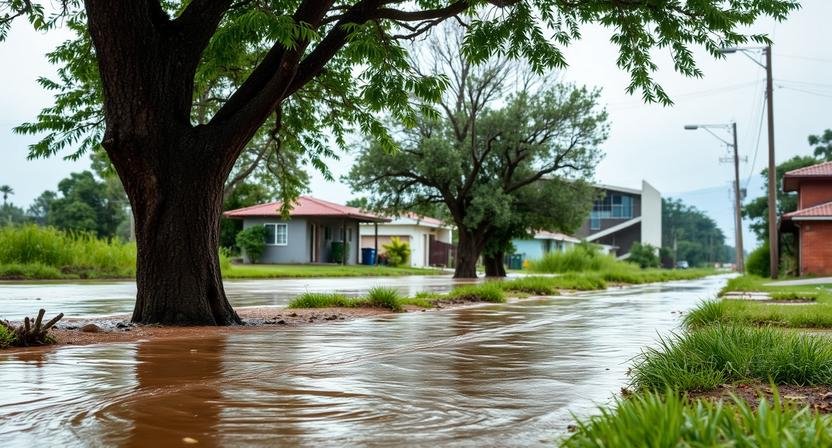
Heavy monsoon rains and unplanned urban growth have combined to create a serious problem in Baddi, a rapidly developing industrial town located in Himachal Pradesh’s Solan district. In recent years, residents and businesses alike have faced recurring flooding and drainage failures that disrupt daily life, damage property, and strain local infrastructure.
These issues have intensified during periods of heavy rainfall, drawing attention from local authorities, environmental advocates, and the wider community.Understanding and addressing flood and drainage challenges in Baddi is not only crucial for public safety but also for long‑term economic sustainability and environmental health.
This article explores the causes, impacts, community responses, and potential solutions to the worsening floods and drainage problems in the region.
Read Also: BBN Crops Destroyed by Mysterious Disease: Understanding the Crisis
Understanding the Geography and Growth of Baddi
A Town Transformed: From Rural Settlement to Industrial Hub
Baddi was once a quiet rural area, known for its agricultural surroundings and small village communities. Over the past few decades, however, it has undergone a remarkable transformation. The establishment of industrial units, pharmaceutical factories, and manufacturing facilities has driven population growth and economic activity.
This rapid expansion has reshaped land use patterns. Agricultural fields and open land have given way to factories, warehouses, commercial complexes, and residential colonies. As paved surfaces multiply, rainwater that once soaked naturally into the ground now runs off the surface, increasing peak water flows during storms.
The Role of Topography and Waterways
Baddi’s topography contributes to its flooding challenges. The town lies in a transition zone between the Shivalik foothills and the plains, resulting in undulating terrain and natural drainage channels. Seasonal watercourses, known locally as “nalas,” carry runoff during monsoon months. When these channels are obstructed by construction debris, encroachments, or inadequate culverts, water backs up into streets and populated areas.
The absence of integrated watershed management means that upstream activities in surrounding hills directly influence flooding within the town. Soil erosion and sedimentation further reduce the capacity of natural drainage paths, exacerbating overflow during intense rain events.
The Growing Flood Problem
Intensity and Frequency of Heavy Rains
Residents have observed that heavy rain events in Baddi are becoming more intense and frequent. Meteorological trends suggest a shift in rainfall patterns, with short bursts of high precipitation followed by dry spells. These high‑intensity storms can overwhelm drainage infrastructure within hours.
Unlike light showers that infiltrate soil or are easily carried by existing drains, sustained heavy rain produces large volumes of surface runoff. In areas with inadequate or poorly maintained drainage, water accumulates rapidly, leading to flash floods in low‑lying streets and neighbourhoods.
Urbanization Without Adequate Drainage Planning
One of the central problems in Baddi is that drainage planning has not kept pace with urban expansion. Many of the newer residential and industrial areas were developed without comprehensive stormwater management systems. Narrow roads and undersized drains struggle to cope with runoff during monsoon peaks.
In some localities, drainage channels have been incorrectly directed or have become blocked by construction waste and solid materials. This not only reduces capacity but disrupts the intended flow of water. Inadequate planning has also meant that essential features like retention basins, rain gardens, and detention tanks are missing, reducing the system’s ability to manage peak flows.
Blocked and Inefficient Drainage Networks
Residents frequently report that existing drains are clogged with silt, plastic waste, and other debris. The presence of industrial effluents and solid refuse further degrades the performance of these systems. When water cannot move freely through channels designed to carry it, it stagnates, creating urban flooding even after moderate rain.
Poorly designed intersections between natural waterways and constructed drains can also cause backwater effects. Where drainage pipes are insufficiently sized or placed at incorrect slopes, water accumulates locally rather than draining efficiently toward larger outlets.
Impact on Residents and Businesses
Property Damage and Economic Loss
Flooding in Baddi has caused significant damage to homes, shops, and industrial facilities. Water entering ground floors and storage areas destroys goods, equipment, and inventory. For small business owners, this damage translates directly into financial loss.
Manufacturers and logistics companies also face disruptions in operations. Flooded access roads delay deliveries and shipments, impacting supply chains. In some cases, workers are unable to reach their workplaces, compounding productivity losses during critical periods.
Health and Sanitation Concerns
Stagnant floodwater poses serious health risks. It can become a breeding ground for mosquitoes and other disease‑carrying organisms. Contaminated water also mixes with sewage where sewer lines are breached or combined with storm drains, increasing the risk of waterborne illnesses.
Communities without adequate sanitation infrastructure are particularly vulnerable. Open drains and untreated waste increase public health hazards when flooding spreads polluted water across residential areas.
Disruption of Daily Life
For ordinary residents, heavy rain and poor drainage translate into disrupted routines. Commuting becomes difficult as main roads and neighbourhood streets turn into shallow lakes. Schools may close temporarily, and essential services can be delayed or inaccessible.
In many areas, residents resort to makeshift solutions, such as sandbags at doorways or improvised channels to divert water. While these efforts provide temporary relief, they do not address the systemic causes of flooding.
Root Causes Behind Drainage Failures
Absence of Comprehensive Urban Planning
One underlying issue is the lack of integrated urban and environmental planning. Baddi’s growth was largely driven by industrial expansion without a parallel focus on urban infrastructure capable of managing stormwater. Zoning regulations and building codes have not always enforced adequate provisions for drainage or natural waterways protection.
The result is patchwork development that neglects holistic water management. Land that once served as natural floodplain or absorption ground has been converted to concrete surfaces with little consideration for hydrological impacts.
Encroachments on Natural Drainage Channels
Encroachments on watercourses are widespread. Small businesses, shops, and informal settlements have extended into nalas and floodplains. These encroachments reduce cross‑sectional flow areas, creating choke points where water builds up during peak runs.
Encroachment not only reduces physical space for water to flow but increases conflicts between neighbours and authorities when flood mitigation measures require removal of structures.
Inadequate Maintenance and Waste Management
Drainage systems require regular maintenance to function effectively. In Baddi, however, maintenance schedules are frequently irregular due to resource constraints or administrative lapses. Drains fill with silt and refuse, and vegetation overgrowth goes unchecked during the dry season.
Solid waste management practices further compound the problem. Litter and industrial waste often find their way into drains, blocking flow. Without systematic waste collection and community awareness, clogged drains become a recurrent issue.
Climate Variability and Extreme Weather
Climate variability is another factor. While Baddi is not in a traditional floodplain like major river basins, localized extreme rainfall can induce flooding quickly. Changing climate patterns increase the likelihood of such events. Traditional drainage designed for historical rainfall patterns may no longer be sufficient under a changing climate regime.
Community Response and Civic Action
Local Advocacy and Resident Groups
Community groups in Baddi have increasingly raised their voices about flooding and ineffective drainage. Residents leverage social media, public meetings, and direct communication with civic officials to highlight problem areas and demand action.
These groups often conduct their own surveys of drainage chokepoints and flood‑prone zones, documenting the frequency and extent of waterlogging. By providing photographic evidence and organised feedback, they aim to hold authorities accountable for infrastructure upgrades.
Cleanup Drives and Volunteer Efforts
In some neighbourhoods, volunteers organise cleanup drives to clear blockages in drains and remove solid waste from roadside channels. These grassroots efforts, while limited in scale, demonstrate community commitment and provide immediate relief in critical areas.
Local NGOs and youth groups sometimes partner with residents to raise awareness about proper waste disposal and the importance of keeping drainage systems clear. These educational efforts help reduce the amount of refuse that enters drains during rainfall.
Engagement with Local Government
Progress often depends on constructive engagement with municipal authorities. Resident associations have submitted petitions, arranged meetings with elected representatives, and pushed for inclusion of flood mitigation in local development plans.
In some cases, this has led to scheduled desilting of drains, installation of additional culverts, and plans for larger stormwater infrastructure projects. Persistent civic engagement remains essential to ensure that proposed solutions are implemented in a timely and effective manner.
Potential Solutions and Strategic Approaches
Infrastructure Upgrades and Maintenance
Addressing Baddi’s drainage issues requires a combination of new infrastructure and sustained maintenance. Priority actions include:
- Redesigning and widening key drainage channels to handle peak flows. Retrofitting existing drains to meet current rainfall intensities is crucial.
- Installing additional culverts and stormwater inlets at locations that frequently flood.
- Implementing regular desilting and cleaning schedules to prevent blockages.
- Investing in modern drainage technologies, such as permeable paving and stormwater filters that reduce runoff and improve water quality.
These interventions must be backed by adequate funding and skilled engineering oversight.
Adoption of Nature‑Based Solutions
Engineering alone is not enough. Integrating nature‑based techniques, such as rain gardens, bioswales, and constructed wetlands, can enhance absorption and slow runoff. These features not only reduce flood peaks but improve the urban environment.
Restoring and protecting natural drainage channels and floodplains should be a central element of urban planning. Where feasible, development setbacks can preserve space for water movement and reduce encroachments.
Zoning Reforms and Regulatory Enforcement
Zoning regulations should clearly define flood hazard areas and prohibit construction that impedes natural water flow. Enforcement mechanisms must be strengthened to prevent illegal encroachments on nalas and drainage paths.
Building codes can also require onsite stormwater management systems for new developments, such as retention ponds, rainwater harvesting, and drain connections designed to minimise discharge into public systems during heavy rain.
Community Education and Behavioural Change
Sustainable solutions involve the community. Public education campaigns can inform residents and businesses about proper waste disposal, the impact of litter on drainage, and the benefits of rainwater harvesting.
Educational programs in schools and community centres can build long‑term awareness of environmental stewardship and collaborative flood resilience.
Early Warning Systems and Preparedness
Investing in early warning systems that alert residents to impending heavy rainfall and flood risk can reduce human and economic losses. These systems can be integrated with weather forecasting and local communication networks, ensuring timely dissemination of alerts.
Emergency response plans should be developed, with clear roles for municipal officials, emergency services, and community volunteers. Preparedness drills and resource allocation can ensure faster, coordinated action when floods occur.
Challenges to Implementation
Budgetary Constraints
Municipal budgets in rapidly growing towns like Baddi are often stretched thin. Competing priorities—such as basic utilities, sanitation, and transportation—can limit available funds for comprehensive drainage upgrades.
Securing state or central government funding may be necessary for large infrastructure projects, but this requires detailed project proposals, long planning cycles, and bureaucratic scrutiny.
Coordination Across Agencies
Effective flood management involves coordination among multiple agencies, including municipal corporations, urban development authorities, environmental departments, and disaster management authorities. Lack of coordination can delay implementation and lead to fragmented solutions.
Establishing a unified command structure or task force dedicated to stormwater management could streamline efforts and promote integrated planning.
Land Acquisition and Legal Hurdles
Expanding drainage infrastructure often requires acquiring land, which can be legally and politically complex. Negotiations with private landowners, compensation disputes, and legal challenges can stall progress.
Transparent and fair land acquisition processes, backed by clear policy frameworks, are essential to advance critical projects.
Conclusion
The worsening floods and drainage issues in Baddi during heavy rains are symptomatic of deeper challenges tied to rapid urbanisation, inadequate planning, and environmental pressures. While the effects are visible in waterlogged streets and disrupted lives, the underlying causes require strategic, cross‑sector action.