

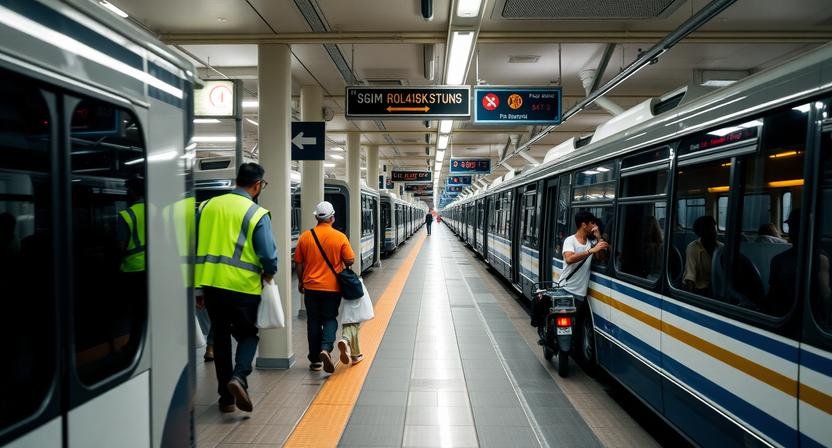
Baddi, the industrial hub of Himachal Pradesh, has emerged as a thriving center for manufacturing, pharmaceuticals, and logistics. Thousands of workers from nearby towns and villages commute daily to its factories and warehouses.
Yet, despite its rapid economic growth, Baddi struggles with one critical issue: inadequate public transportation. For workers, the lack of reliable transit options creates stress, increases daily expenses, and affects both productivity and quality of life. Understanding this crisis is crucial, not just for policymakers but also for businesses, urban planners, and the community at large.
Read Also: Illegal Mining Surge in BBN Belt: Police Crackdown and Environmental Concerns
The Current State of Public Transport in Baddi
Public transportation in Baddi is limited and often inefficient. Unlike major cities where buses, metro lines, or well-organized shared transport are available, Baddi primarily relies on a patchwork of private buses, shared taxis, and informal transport services. Bus schedules are irregular, routes are limited, and vehicles are often overcrowded. This creates a situation where workers either wait for hours at bus stops or resort to more expensive private commuting options.
Moreover, the rapid industrial growth in the area has outpaced infrastructure development. Roads connecting Baddi to neighboring towns like Nalagarh, Barotiwala, and Solan are frequently congested during peak hours. Poorly maintained roads and limited transit options compound the commuting difficulties, making even short distances time-consuming and stressful.
How Workers Are Adapting
Faced with unreliable public transport, workers have developed a range of coping mechanisms. Carpooling has emerged as a common solution. Employees living in the same locality often share rides in private vehicles, reducing costs and travel time. Some factories have started organizing shuttle services for their staff, though these services are still limited and often only cover certain routes.
Two-wheeler commuting is another popular choice, particularly for workers from nearby villages. Motorbikes and scooters allow for flexible timing and shorter travel times but come with safety risks and maintenance costs. Walking or cycling remains an option for those living closer to industrial zones, though these methods are feasible only for short distances and under favorable weather conditions.
Freelance or “informal” transport services have also grown in response to the crisis. Auto-rickshaws, tempo services, and small private vans often operate outside regular schedules, offering last-mile connectivity. While these services help bridge gaps, they are usually unregulated, less safe, and more expensive than structured public transport systems.
Economic and Social Implications
The lack of dependable transit options directly affects workers’ financial stability. Many spend a significant portion of their monthly earnings on transport, which reduces disposable income for essentials like food, healthcare, and education. Long commuting hours also translate into lost time, leaving workers with less time for rest, family, or personal development.
Socially, inadequate public transport can exacerbate inequality. Workers from low-income backgrounds are often forced to rely on overcrowded buses or expensive informal transport, while higher-income employees might afford private vehicles. This gap can affect workplace dynamics and reinforce socio-economic disparities in the region.
The mental and physical toll of commuting under such conditions is also significant. Fatigue, stress, and anxiety are common among daily commuters who face long waits, uncertain schedules, and congested roads. Over time, this can affect productivity, health, and overall quality of life.
Government and Private Sector Responses
Recognizing the issue, both government bodies and private companies have taken steps to improve transport facilities. Some industrial estates in Baddi have started corporate shuttle services connecting major towns to factory zones. These services not only improve punctuality but also ensure worker safety.
On the government side, there have been proposals to expand state-run bus services and upgrade existing road infrastructure. However, implementation has been slow due to budget constraints, planning challenges, and competing priorities in the region. In some cases, government buses operate on fixed schedules that do not align with factory shifts, limiting their effectiveness for workers.
Private tech-driven solutions are also emerging. Apps for ride-sharing and mini-bus services are gradually gaining popularity, offering flexible travel options that adapt to shift timings. While still limited in scale, these services demonstrate how innovation can complement traditional transport solutions.
Lessons from Other Industrial Hubs
Looking at other industrial regions in India, such as Pimpri-Chinchwad near Pune or Noida in Uttar Pradesh, offers insights into potential solutions. Integrated transport planning, including dedicated industrial bus routes, park-and-ride systems, and partnerships between companies and local transit authorities, has significantly improved commuting conditions in these areas.
Moreover, investment in cycling infrastructure, safe pedestrian paths, and affordable last-mile transport options has proven effective in reducing congestion and promoting sustainability. Baddi can learn from these models to create a more worker-friendly commuting environment.
The Role of Urban Planning
Sustainable transport solutions in Baddi require a long-term urban planning perspective. Industrial expansion cannot continue in isolation from residential development and public infrastructure. Creating mixed-use zones where workers can live closer to factories, improving road networks, and incentivizing eco-friendly transport can collectively ease commuting pressures.
Smart zoning policies, combined with incentives for private companies to provide transport solutions, could also play a significant role. For example, tax benefits or subsidies for corporate shuttle services could encourage more factories to invest in structured transit options for their employees.
The Human Perspective
Behind statistics and planning documents are real people struggling every day to reach their workplaces. Stories of workers waking up before dawn, navigating overcrowded buses, or walking kilometers in harsh weather reflect the human cost of the transport crisis. Highlighting these experiences can motivate stakeholders—government, companies, and community organizations—to prioritize solutions that improve lives, not just traffic flow.
Community engagement is essential. Surveys, focus groups, and participatory planning can help identify the most pressing transportation needs. Workers themselves are often the best source of insights into which routes, schedules, and modes of transport will be most effective.
Future Outlook
The future of commuting in Baddi hinges on collaboration. Government authorities must commit to expanding and upgrading public transport infrastructure, while private companies need to offer practical, safe, and affordable commuting alternatives. Public-private partnerships could be the key, combining the reach of government services with the efficiency and flexibility of private initiatives.
Innovation in mobility solutions, such as electric mini-buses, app-based ride-sharing, and bike-sharing programs, could also play a transformative role. If implemented thoughtfully, these measures can reduce congestion, cut commuting costs, and improve quality of life for thousands of workers.
Conclusion
Baddi’s transport crisis is more than an infrastructure problem—it is a social, economic, and human challenge that affects thousands of daily commuters. Workers are coping through ingenuity, shared rides, and personal vehicles, but these stopgap solutions cannot replace a reliable and sustainable public transport system. Addressing this issue requires coordinated action, innovative thinking, and a commitment to the well-being of the workforce.