

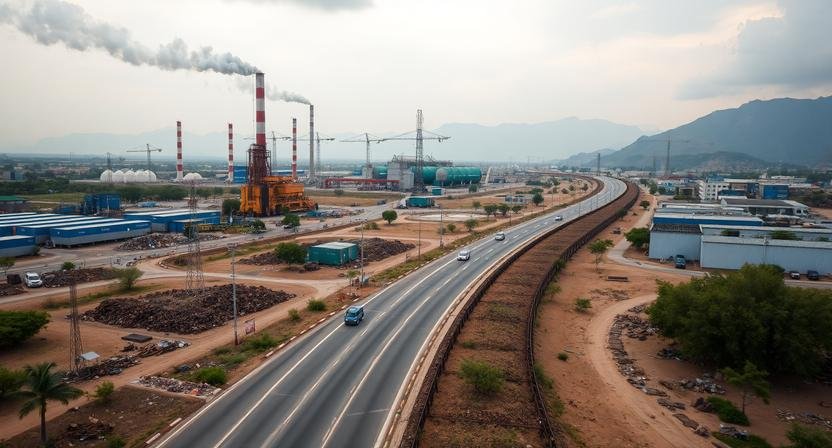
Baddi, a rapidly growing industrial town in Himachal Pradesh, India, has emerged as one of the country’s major manufacturing hubs over the past two decades. Known for its pharmaceutical, chemical, and textile industries, the town contributes significantly to regional economic growth.
However, this industrial boom has come with serious environmental consequences. Baddi now faces pressing challenges from industrial waste and pollution caused by its busy highways, which impact local ecosystems, public health, and overall quality of life.
Understanding these issues is crucial for policymakers, residents, and environmental advocates seeking sustainable development.
Read Also: How Rising Raw Material Prices Are Affecting Baddi’s Pharma Sector
The Rise of Industrialization in Baddi
Baddi’s transformation from a quiet town into an industrial hotspot is primarily driven by the establishment of large-scale pharmaceutical and chemical factories. Its proximity to Chandigarh, coupled with favorable government policies and tax incentives, has attracted numerous manufacturing units. Today, Baddi is home to hundreds of industries producing pharmaceuticals, textiles, and plastics. While this industrial growth has generated employment and infrastructure development, it has also intensified environmental stress.
The expansion of factories has led to increased energy consumption, resource extraction, and waste generation. Many of these industries release effluents directly into nearby rivers or drainage systems without adequate treatment, contributing to water pollution. The town’s industrial boom, while economically beneficial, has created a delicate balance between development and environmental sustainability, which is increasingly under strain.
Industrial Waste: A Growing Concern
One of the most serious environmental issues in Baddi is the management of industrial waste. Factories generate a range of pollutants, including chemical effluents, heavy metals, and solid waste. Improper disposal of these materials can contaminate soil and water, disrupt ecosystems, and pose severe health risks to local communities.
Water Pollution from Chemical Effluents
The region’s rivers and streams are vulnerable to contamination from untreated industrial effluents. Many factories discharge wastewater containing chemicals, dyes, and pharmaceutical residues directly into water bodies. These pollutants can cause algal blooms, kill aquatic life, and reduce water quality for human consumption. Residents relying on local water sources for drinking and irrigation face long-term health risks, including skin disorders, gastrointestinal issues, and chronic illnesses linked to heavy metal exposure.
Soil Contamination and Agricultural Impact
Industrial waste also affects the soil quality around Baddi. Heavy metals and toxic chemicals can seep into the ground, reducing fertility and making agricultural activities increasingly difficult. Local farmers report declining crop yields, which not only affects food security but also threatens livelihoods. Contaminated soil can also enter the food chain, exposing communities to harmful substances through vegetables, grains, and dairy products.
Challenges in Waste Management
Baddi’s waste management infrastructure struggles to keep pace with industrial growth. Many small and medium-sized enterprises lack proper effluent treatment plants, while existing systems often operate below required standards. Without effective regulation and monitoring, industrial waste continues to accumulate, exacerbating pollution levels. Community awareness and engagement in waste management remain limited, further complicating mitigation efforts.
Highway Pollution: The Hidden Threat
While industrial waste directly affects the local environment, highway pollution presents a subtler but equally dangerous challenge. Baddi lies on a critical highway corridor that connects Himachal Pradesh to Punjab and Haryana, resulting in heavy vehicular traffic. Trucks transporting raw materials and finished goods contribute significantly to air and noise pollution.
Air Pollution and Health Impacts
Vehicles on Baddi’s highways emit particulate matter, nitrogen oxides, carbon monoxide, and other pollutants. These airborne toxins contribute to respiratory illnesses such as asthma, bronchitis, and chronic obstructive pulmonary disease (COPD). Prolonged exposure to high levels of vehicle emissions can also increase the risk of cardiovascular problems and cancer. Local residents living near highways often report persistent health complaints, highlighting the urgent need for air quality monitoring and pollution control measures.
Noise Pollution and Ecosystem Disruption
Highway traffic also generates significant noise pollution, affecting both human populations and wildlife. Continuous exposure to loud sounds can cause stress, sleep disturbances, and hearing problems in people. For local wildlife, especially birds and small mammals, noise pollution disrupts communication, breeding, and feeding behaviors, which can have long-term ecological consequences.
Road Safety and Environmental Stress
Highway congestion and poorly maintained roads contribute to accidents and spills of hazardous materials. Transporting chemicals and industrial products without adequate safety measures can lead to environmental disasters, including soil and water contamination. The combination of traffic-related pollution and safety risks underscores the importance of integrating environmental considerations into transportation planning.
Recent Trends and Government Initiatives
Recognizing these environmental challenges, government agencies and non-governmental organizations have begun implementing mitigation strategies. Industries are increasingly required to establish effluent treatment plants and comply with strict emission standards. The Himachal Pradesh Pollution Control Board (HPPPCB) has intensified inspections and penalties for non-compliant factories. Additionally, there are ongoing efforts to promote waste recycling, cleaner production technologies, and industrial zoning to minimize ecological impact.
On the transportation front, initiatives like improved road infrastructure, introduction of cleaner fuel vehicles, and traffic management plans aim to reduce highway pollution. However, enforcement remains inconsistent, and the pace of industrial and vehicular growth continues to outstrip mitigation measures.
Community Awareness and Citizen Action
Local communities play a crucial role in addressing environmental challenges. Awareness campaigns, community monitoring of water quality, and participation in waste management programs have shown positive results in some areas. Educating residents about the dangers of industrial effluents, air pollution, and unsafe waste disposal can create grassroots pressure on industries and government bodies to adopt sustainable practices.
Citizen science initiatives, where locals collect data on air and water quality, help identify pollution hotspots and provide evidence for regulatory action. Engaging schools, colleges, and civil society organizations in environmental monitoring fosters a culture of accountability and long-term sustainability.
Balancing Industrial Growth and Environmental Sustainability
Baddi’s environmental challenges highlight a broader issue faced by rapidly industrializing towns worldwide: how to balance economic growth with ecological preservation. Strict regulatory frameworks, investment in cleaner technologies, and proactive community involvement are essential to achieving this balance. Industries must adopt zero-liquid discharge systems, proper solid waste disposal methods, and energy-efficient processes to minimize environmental impact.
Urban planning and infrastructure development should integrate green belts, pollution buffers, and effective drainage systems to mitigate the effects of highway and industrial pollution. Multi-stakeholder collaboration between government agencies, industries, and local communities is key to sustainable development in Baddi.
Conclusion
Baddi stands at a critical juncture. Its industrial growth has brought economic prosperity, yet the environmental costs are becoming increasingly evident. Industrial waste and highway pollution threaten public health, local ecosystems, and long-term sustainability. Addressing these challenges requires coordinated action, stringent regulation, and community engagement.